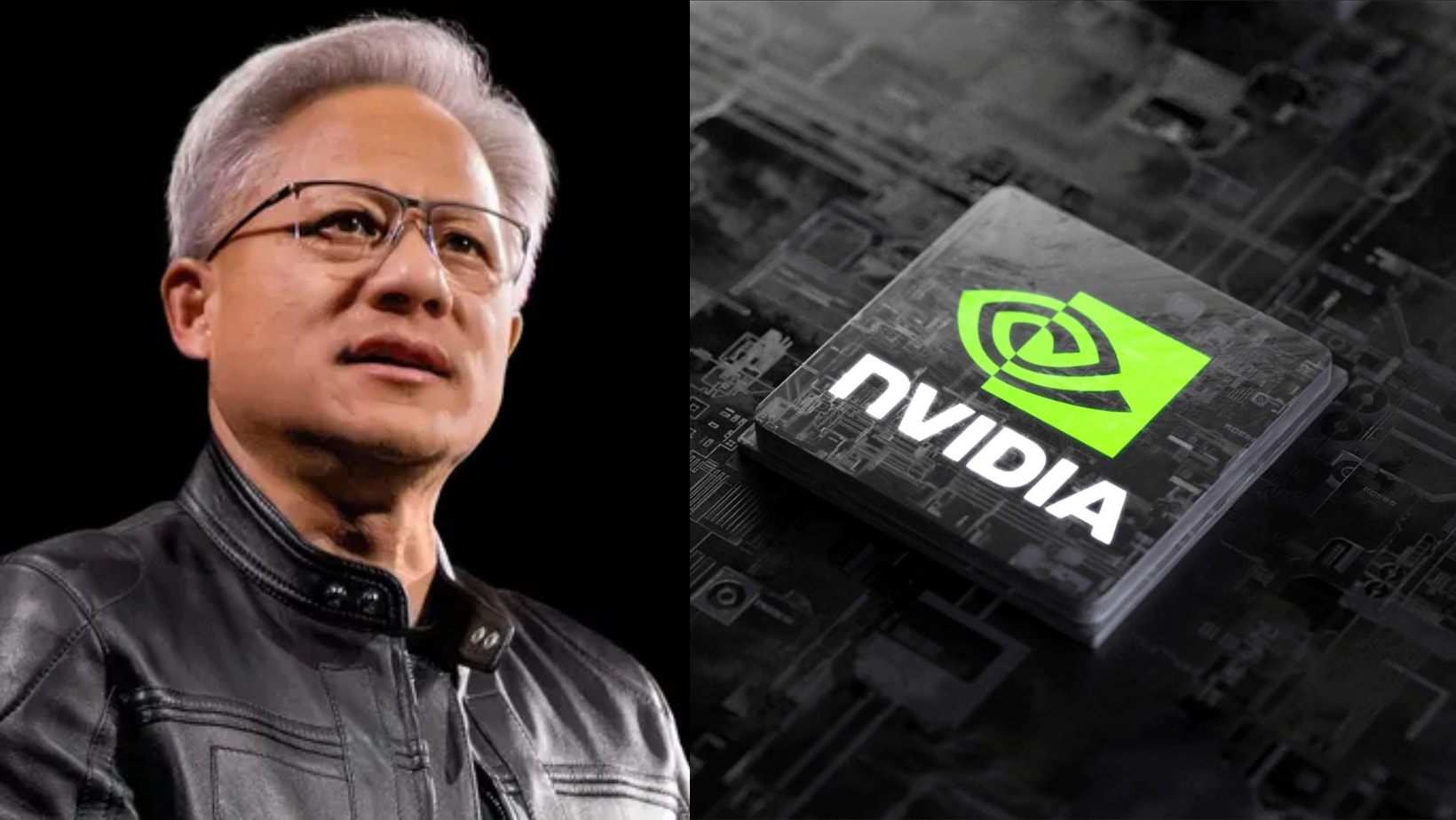
As Nvidia gears up to report its earnings, all eyes are fixed on what this tech giant will reveal about the booming global artificial intelligence sector. Scheduled for release on February 25, many investors anticipate that the results will serve as a litmus test for the demand for AI chips and the ongoing investments in AI infrastructure. With expectations running high, it’s vital to delve into the five key factors that could shape the future of Nvidia and, by extension, the AI industry.
Understanding Nvidia’s Profit Margins
One of the most critical indicators to examine in Nvidia’s upcoming earnings report is its profit margins. These margins provide insight into how efficiently the company is converting sales into profits. Historically, Nvidia has enjoyed robust operating gross margins, thanks in part to its commanding presence in the AI chip market. In the nine months leading up to October 27, 2024, margins stood at an impressive 76%, but dipped to 69.5% during the same timeframe in 2025. The latest quarter saw a rebound to 73.6%.
Management has committed to ending fiscal 2026 with margins in the mid-70% range, so investors will be keen to see if this target has been met. Additionally, profit margins can also reflect Nvidia’s pricing power, especially in light of emerging competition from companies developing their own chips. While the CUDA software ecosystem has helped Nvidia maintain an estimated 80-85% market share in the AI chip domain, the efficacy of this lead will significantly affect investor sentiment.
Revenue Projections and Future Guidance
Nvidia’s revenue numbers and forward guidance will play a pivotal role in shaping market responses. Previously, Nvidia indicated expectations of approximately $65 billion in revenue for the fourth quarter. Analysts at Goldman Sachs are even more optimistic, projecting revenues could reach $67.3 billion, surpassing consensus estimates by nearly $2 billion.
Beyond just meeting or beating these figures, investors are particularly interested in Nvidia’s forward-looking guidance for fiscal 2027. A confident outlook could cause stock prices to surge, while any cautious forecasts may disappoint stakeholders. Thus, how Nvidia frames its future growth trajectory will be paramount.
The Importance of Data Center Demand
The heart of Nvidia’s revenue generation lies within its data center segment, which provides the powerful chips and servers that cloud companies rely on for AI modeling. This part of the business is seen as the most telling barometer of overall AI demand. Estimates suggest that Nvidia’s total revenue for the fourth quarter could hover around $57 billion, with the data center division projected to contribute about $60 billion.
Revenue forecasts for this segment vary, ranging from approximately $56.9 billion to $62.6 billion, making it essential for investors to gauge the management’s outlook on the data center’s ongoing significance. Nvidia’s CFO, Colette Kress, previously mentioned a major growth opportunity of $500 billion from the Blackwell and future GPU models, so confidence in this segment will be crucial during the earnings call.
Navigating the Landscape with Blackwell Chips
Nvidia’s innovative Blackwell chips are another focal point for investors, as they are expected to be integral to the company’s growth narrative moving forward. Revenue predictions for Blackwell range dramatically, from $7.1 billion to a staggering $53.8 billion in the fourth quarter, with an average expectation of about $33.5 billion. Analysts also anticipate a remarkable uptick in revenue from Blackwell over the coming year.
Investors will be scrutinizing the roll-out and customer reception of these new chips, along with any initial insights into the following generation, the Rubin chips. A smooth transition between chip generations is vital for maintaining Nvidia’s growth momentum in a competitive landscape where timely innovation is key.
The China Factor: Risks and Opportunities
The state of Nvidia’s operations in China also presents a significant uncertainty that investors must consider. Recent U.S. export restrictions have limited Nvidia’s ability to sell chips in this crucial market, affecting revenue from a once-lucrative source. There have been hints that the sale of H200 chips could resume, although approvals are still pending.
Nvidia’s CEO, Jensen Huang, previously remarked that the Chinese market could have represented a $50 billion annual opportunity had it been fully accessible, and had expected that figure to grow by 50% year over year. Exhibiting any positive developments from China could potentially provide a significant boost to the stock, especially since Nvidia has not accounted for any revenue from this market in its fourth-quarter guidance.
Conclusion
The insights gained from Nvidia’s upcoming earnings report will likely hold profound implications for both the company’s future and the broader AI landscape. Investors are not only looking for strong quarterly performance but also for compelling long-term guidance that could affirm continued demand for AI infrastructure and chip technology. If Nvidia successfully communicates a positive outlook on its growth trajectory, the implications could resonate throughout the technology sector, reinforcing the narrative that the AI boom has substantial legs still left to run. Conversely, a less optimistic forecast could dampen enthusiasm, even in the face of solid Q4 results.
Leave a Reply