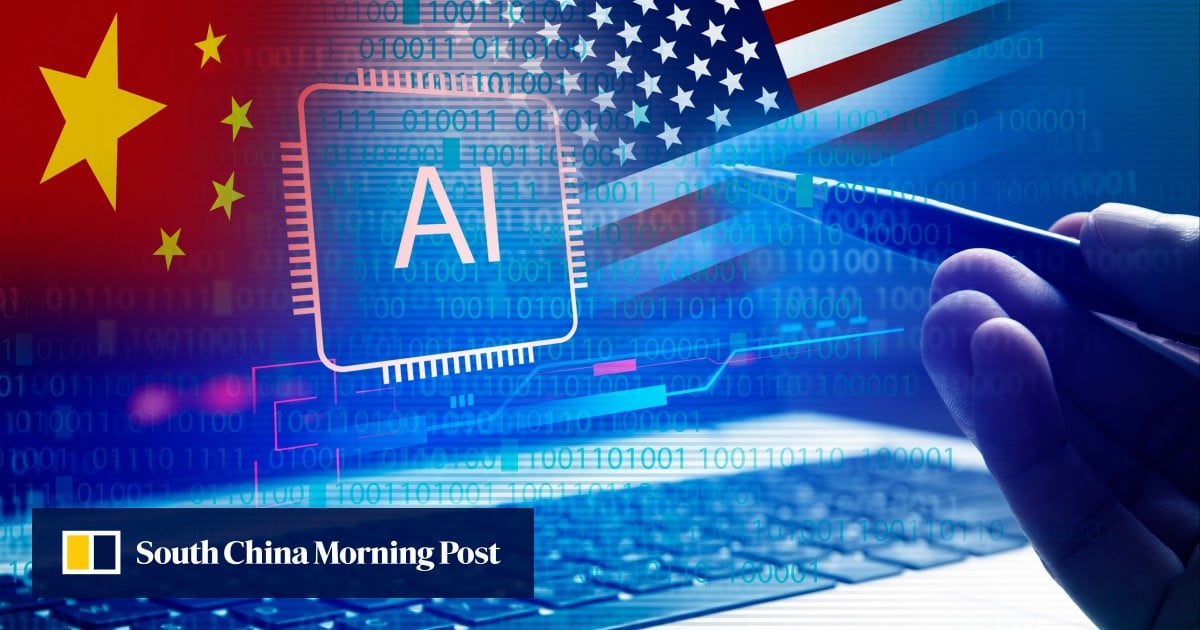
In a bold move reflecting their ambitions, leading Chinese technology companies such as ByteDance, Baidu, Alibaba Cloud, and MiniMax are ramping up efforts to recruit skilled talent in the United States. This strategic push aims at availing high-level expertise in artificial intelligence (AI) and semiconductor design, starkly highlighting the intensifying competition between Chinese tech giants and their American counterparts.
Why US Talent?
The growing reliance on advanced technology necessitates a skilled workforce. The United States has long been a hotbed for tech talent, especially in AI and semiconductor research, making it an attractive destination for companies looking to propel their innovative capabilities. By bringing in top experts and engineers, Chinese firms are not only enhancing their research and development capacities, but they also aim to secure a competitive edge in vital fields that influence the future of technology.
ByteDance’s Aggressive Recruitment
ByteDance, the parent company of popular platforms TikTok and Douyin, leads the charge in this recruitment effort. With over 100 open positions for AI roles in San Jose and Seattle, ByteDance is actively seeking specialized talent to bolster its capabilities. Among the positions being filled are tech leads, engineers, and research scientists who will contribute to the company’s innovative projects, which include their advanced multimodal video generation model, Seedance 2.0, and the Doubao chatbot.
The company’s diverse teams are focused on various cutting-edge projects. The Seed department is dedicated to fundamental research, improving their Seedance model, while the Trae product team focuses on coding solutions. Another critical group—the Vision-Applied Research team—specializes in creating models for image generation and video editing, aligning with current demand trends in multimedia content.
Baidu’s Semiconductor Ambitions
Baidu is equally committed to expanding its US operations, particularly in semiconductor design. With a bases in Sunnyvale, California, the company has posted around 10 job vacancies focused on crucial roles in central processing unit (CPU) development and system-on-a-chip architecture. These initiatives demonstrate Baidu’s intent to establish greater autonomy in tech hardware manufacturing.
The company is responding to the escalating demand for advanced AI chips within global supply chains. With growing pressure to innovate and secure hardware supplies, Baidu’s strategic recruitment aims to enhance its semiconductor capabilities, effectively positioning itself in the competitive landscape of 21st-century technology.
Alibaba Cloud’s Global Expansion
Alibaba Cloud is not lagging in this talent hunt. As a key player in the cloud computing industry, Alibaba is tapping into the US expertise pool to refine its offerings and improve its service architecture. This is part of a broader trend where tech giants are reinforcing their operational capabilities by attracting global talent to their American headquarters. As competition heats up in the cloud computing and AI domain, Alibaba’s relentless pursuit of skilled professionals indicates its commitment to sustaining growth and innovation in a rapidly evolving market.
MiniMax and the Quest for Innovation
Another emerging player, MiniMax, is also making its mark by assuring a place in the competitive landscape. While its recruitment strategies are more low-profile than established giants, MiniMax focuses on carving out a niche in AI-driven solutions. Their efforts to hire talent in the US underline the growing significance of international collaboration in innovation. The push for cross-border recruitment is indicative of how talent mobility is shaping the global tech environment, breaking down geographical barriers.
Conclusion
The recruitment efforts of these Chinese tech firms in the US reflect a significant shift in the global technology landscape. By leveraging American expertise, ByteDance, Baidu, Alibaba Cloud, and MiniMax are enhancing their innovation capabilities and positioning themselves for future success. This strategy not only highlights the competitive nature of the tech industry but also the growing interdependence between nations as they race to lead in AI and semiconductor technologies. As these companies expand their footprint, it invites further examination of how talent influences technological advancement and global market dynamics.
Leave a Reply