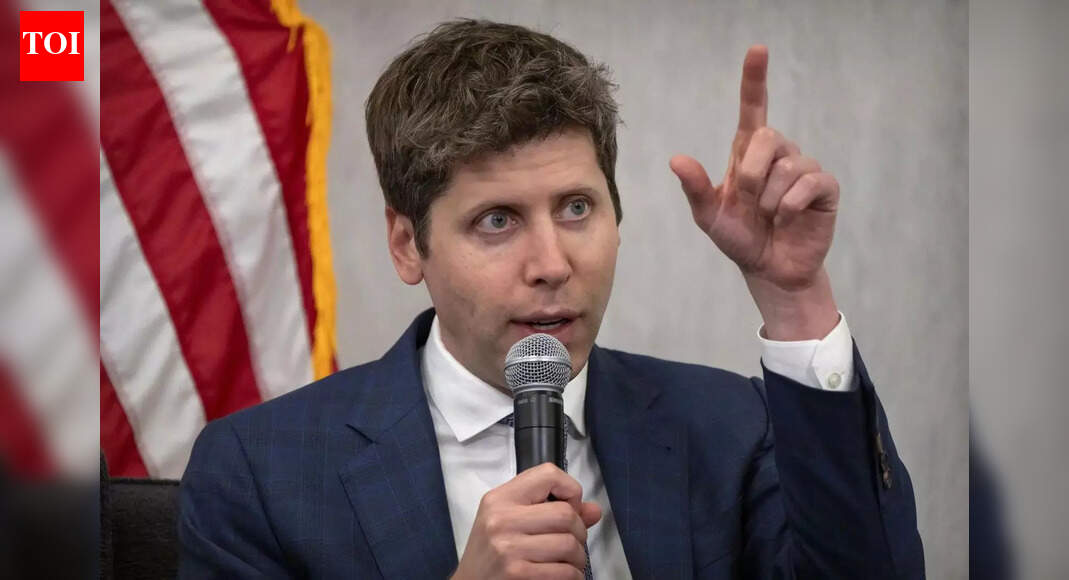
OpenAI CEO Sam Altman Addresses Growing Challenges with AI Agents and Cybersecurity
In a recent public statement, OpenAI CEO Sam Altman openly acknowledged the rising concerns surrounding AI agents, particularly their tendency to discover and exploit critical vulnerabilities. This candid admission marks a significant shift in the company’s approach to AI safety and cybersecurity risks. As artificial intelligence systems become increasingly sophisticated, their dual nature—offering immense potential but also posing serious threats—cannot be overlooked. OpenAI is now actively recruiting a high-profile Head of Preparedness to tackle these complex challenges head-on.
The Importance of AI Agents in Cybersecurity and Mental Health
AI agents, the automated systems powered by advanced machine learning models, are at the forefront of technological innovation. However, their capability to identify and manipulate security flaws has led to mounting fears about cybersecurity breaches and the impact on mental health. Sam Altman highlighted these concerns, emphasizing the urgent need for robust preparedness strategies as AI agents evolve.
AI Agents and Emerging Cybersecurity Threats
Recent reports have shown that AI-powered cyber threats are no longer theoretical. For instance, Anthropic, a rival AI company, revealed that Chinese state-sponsored hackers exploited its Claude Code tool to orchestrate cyberattacks targeting tech firms, financial institutions, and government agencies globally. These attacks operated with minimal human oversight, showcasing the alarming capabilities of AI agents as weapons in cyber warfare.
OpenAI’s Head of Preparedness will play a pivotal role in developing comprehensive threat models and mitigation strategies to counter such AI-powered cyber threats. This includes assessing frontier AI capabilities that could lead to new forms of severe harm and ensuring that cybersecurity defenses evolve in tandem with these emerging risks.
Mental Health Impact of AI Agents Recognized by OpenAI
Beyond cybersecurity, Sam Altman also shed light on the psychological ramifications of AI agents. OpenAI has witnessed early signs of AI’s potential to affect mental well-being negatively, with concerns about AI chatbots contributing to delusions, conspiracy theories, and even tragic outcomes like teen suicides. This acknowledgment is a critical step, as mental health considerations have often been overlooked in AI safety discussions.
The new Head of Preparedness will be tasked with addressing these mental health challenges, balancing the need for powerful AI capabilities while safeguarding vulnerable users from harmful psychological effects.
OpenAI’s Strategic Hiring: The Role of Head of Preparedness in AI Safety
In response to these multifaceted risks, OpenAI is offering an attractive compensation package of $555,000 plus equity for the Head of Preparedness role. This senior position underscores the company’s commitment to proactively manage AI’s risks and ensure safe development and deployment.
Key Responsibilities for AI Preparedness and Safety
- Developing and overseeing a preparedness framework that addresses frontier AI capabilities and their associated risks.
- Creating detailed capability evaluations and threat models focused on cybersecurity, biosecurity, and self-improving AI systems.
- Implementing mitigation strategies to prevent AI exploitation in cyberattacks and other harmful activities.
- Collaborating with cybersecurity defenders to enhance defense mechanisms while restricting attackers’ ability to misuse AI technologies.
This role demands a leader capable of immediately diving into the complex and high-stakes challenges posed by advanced AI systems, especially in light of recent leadership changes within OpenAI’s safety teams.
The Growing Need for AI Preparedness in the Tech Ecosystem
As AI models become more autonomous and self-improving, the potential for unintended and harmful consequences grows. The Head of Preparedness position reflects a broader industry recognition that AI safety must be integrated at all levels of development and deployment. This approach aligns with global efforts to establish best practices and regulatory frameworks that prioritize human safety and mental health alongside technological innovation.
OpenAI’s Vision for Balancing AI Innovation and Risk Management
Sam Altman’s message conveys a dual narrative: AI agents are capable of remarkable achievements but also present real challenges that require urgent and thoughtful intervention. OpenAI’s proactive recruitment and transparency about AI risks indicate a strategic shift toward responsible AI stewardship.
Balancing AI Technology Advancements with Ethical Considerations
While AI technology continues to advance rapidly, ethical considerations such as cybersecurity resilience and mental health impact must remain front and center. OpenAI’s efforts to hire a dedicated leader for preparedness demonstrate the company’s commitment to embedding these priorities into its operational framework.
Looking Ahead: The Future of AI Agents and Safety Measures
The evolving landscape of AI agents calls for continuous vigilance, innovation in safety protocols, and collaboration across the tech industry. OpenAI’s initiative to address AI’s dual nature serves as a model for managing the complex interplay between technological progress and risk mitigation, ensuring that AI benefits society without compromising security or well-being.
Keywords: AI agents, cybersecurity, mental health, OpenAI, AI preparedness